AI content marketing tools are transforming the way marketers and content creators plan, produce, and optimize their campaigns.
Let’s face it: competition for organic traffic is fierce, and relying solely on manual research, guesswork, or traditional SEO methods just isn’t enough anymore.
This is where using AI content marketing tools becomes important. They leverage artificial intelligence, machine learning, and data-driven insights to help you create content that ranks, engages, and converts.
In this guide, I’ll walk you through the 8 AI content marketing tools I personally use and recommend—a mix of paid and free options. Each tool has been thoroughly tested in real-world campaigns, and I’ll detail how it can enhance your workflow, optimize your content, and drive results.
If your goal is to optimize your content workflow, boost rankings, and save hours of manual work, this guide offers recommendations you can trust, as I’ve used them myself and continue to rely on them daily.
Let’s start with a definition.
- What Are AI Content Marketing Tools?
- 8 Best AI Content Marketing Tools
- 1. SEOBoost – My Go-To Paid Tool for SEO and Content Optimization
- 2. Frase – AI-Powered Content Briefs (Paid)
- 3. Jasper AI – My Favorite AI Writing Assistant (Paid)
- 4. Copy.ai – Quick, Creative AI Content (Free + Paid)
- 5. Writesonic – Affordable Content Creation and Optimization (Free + Paid)
- 6. SurferSEO – Content Optimization and SERP Analysis (Paid)
- 7. Grammarly – AI Assistant for Clarity and Tone (Free + Paid)
- 8. AnswerThePublic – User-Intent Research and Topic Ideation (Free + Paid)
- 1. SEOBoost – My Go-To Paid Tool for SEO and Content Optimization
- Final Word
- FAQs
What Are AI Content Marketing Tools?
AI content marketing tools are platforms that utilize machine learning, natural language processing, and predictive analytics to streamline and enhance the content creation and management workflow. They help marketers and writers generate content ideas, optimize articles for SEO, automate repetitive tasks, and even suggest improvements to tone, readability, and engagement.
Unlike traditional tools that merely track metrics or offer basic keyword suggestions, AI content marketing tools actively analyze data, comprehend keyword intent, and provide actionable recommendations to enhance content performance.
They can assist in:
- Content Ideation: AI suggests blog topics, article angles, and social media posts based on trending topics and user intent, providing valuable insights for content creation.
- SEO Content Creation: AI writing assistants generate high-quality drafts, outlines, and even full-length articles quickly.
- Content Optimization: AI provides real-time SEO recommendations, semantic keyword suggestions, and readability improvements.
- Performance Tracking: AI monitors content engagement, rankings, and competitive positioning to inform strategic decisions.
These tools have become indispensable for anyone looking to scale their content efforts, save time, and maximize ROI from content marketing campaigns.
8 Best AI Content Marketing Tools
1. SEOBoost – My Go-To Paid Tool for SEO and Content Optimization
When it comes to AI content marketing tools, SEOBoost has been my absolute favorite, and I rely on it almost daily for both content creation and optimization.
Why I Love It: SEOBoost is a full content optimization platform. What really sets it apart for me is that it integrates keyword research, content briefs, real-time optimization, audits, and content management into a single, intuitive dashboard. I don’t have to juggle multiple tools or switch between tabs; everything I need to plan, write, optimize, and track content is right there.
I remember when I first started using it, I was amazed at how much time it saved me while improving the quality and SEO performance of every article I produced. Unlike other tools that provide suggestions, SEOBoost gives real-time, actionable insights that make my content smarter and more targeted.
Pricing: SEOBoost is a paid tool, starting at $49/month, which I personally find worth every penny considering the time and SEO value it saves. For anyone managing multiple content pieces or scaling a content team, it quickly pays for itself in efficiency.
Here are its winning features:
Content Optimization
Using SEOBoost, I’ve been able to write faster, optimize more effectively, and create content that ranks better. It combines all the features I need from ideation to optimization into one platform, which is why it’s my go-to AI content marketing tool.
One of my favorite features is Content Optimization.
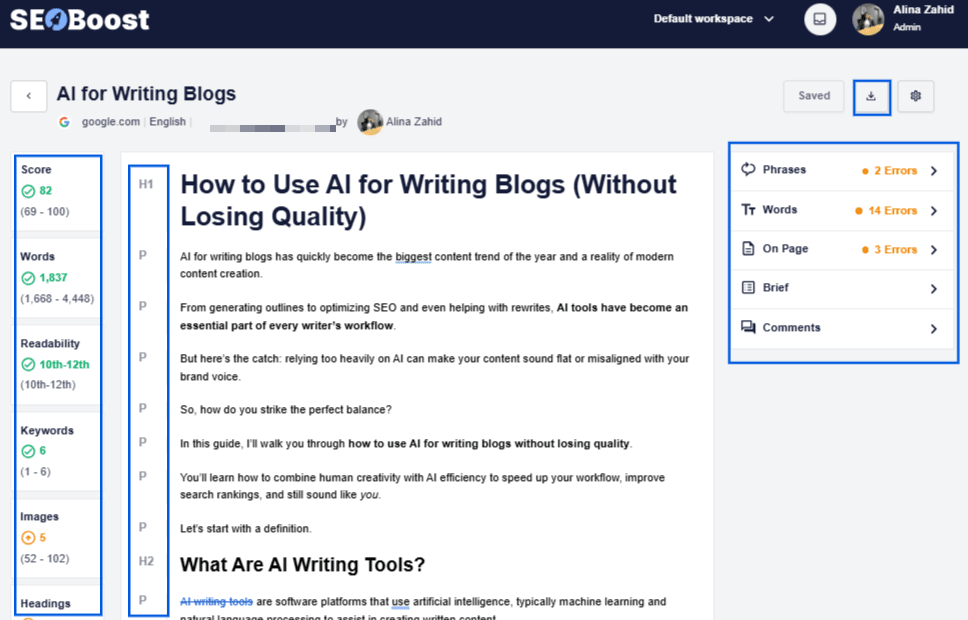
Honestly, this is where SEOBoost shines. As I write, it provides real-time recommendations to improve my content, including keyword usage, heading structure, and semantic relevance.
I can identify which sections require additional context, which keywords I’m missing, and even which areas might be over-stuffed. It’s like having an SEO editor looking over my shoulder while I write.
Topic Reports
When it comes to planning, SEOBoost really takes the lead. One of my favorite ways to kick off a new blog post is by using SEOBoost’s Topic Reports.
I type in a keyword or niche topic, and the tool generates a detailed report with related subtopics, keyword suggestions, and even competitor analysis of the top-ranking pages.

It’s a huge time-saver, especially when I’m brainstorming for multiple posts at once. I can see trending topics, volume potential, and even difficulty scores to help me prioritize what to cover first.
Content Brief
You can also pair it with the Content Briefs feature to get SEO suggestions and outlines.
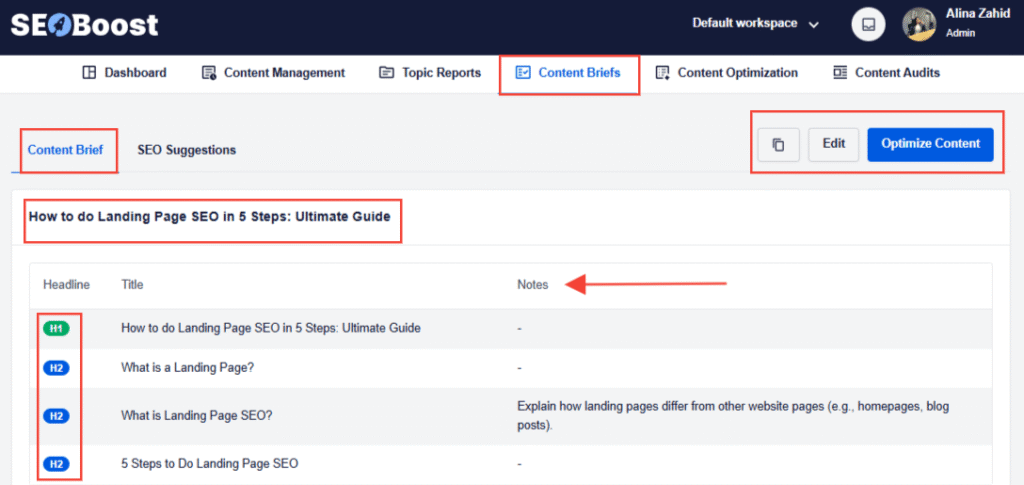
These briefs are actionable and easy to follow, so whether I’m writing the article myself or handing it off to another writer, everyone stays aligned with the SEO strategy.
Content Audits
Another feature I rely on heavily is Content Audits. SEOBoost reviews my existing content, flags outdated posts, identifies underperforming keywords, and suggests optimization improvements.

It’s a critical part of my workflow because it ensures my entire content library stays fresh, relevant, and optimized, which helps maintain consistent traffic and rankings.
Content Management
Finally, SEOBoost’s Content Management feature helps me track all my projects in one place. I can see what’s in progress, what’s optimized, and what needs follow-up.
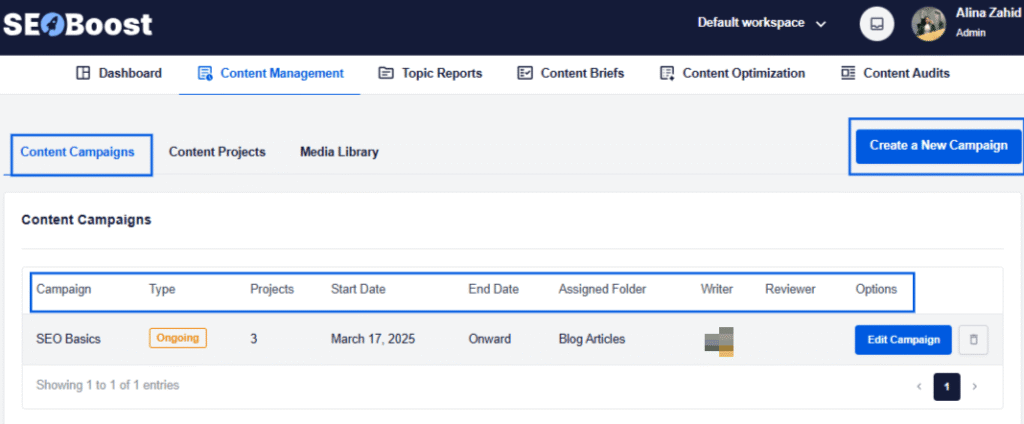
This is a lifesaver when managing multiple clients or running an extensive content calendar. It keeps everything organized and reduces the risk of missing deadlines or optimization opportunities.
Pricing: SEOBoost is a paid tool, starting at $49/month, which I personally find worth every penny considering the time and SEO value it saves. For anyone managing multiple content pieces or scaling a content team, it quickly pays for itself in efficiency.
2. Frase – AI-Powered Content Briefs (Paid)
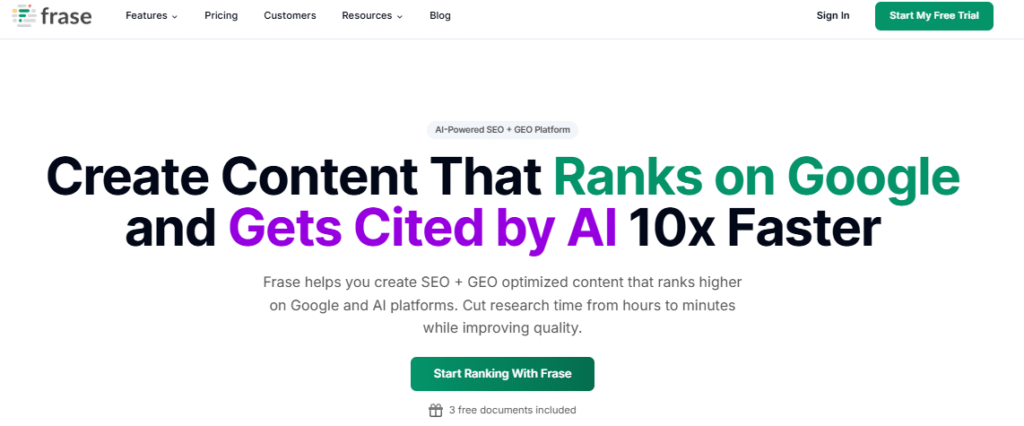
When it comes to AI content marketing tools for content research and planning, Frase is another tool I’ve relied on heavily, especially when I need well-structured content briefs before writing.
Why I Use It: Frase is fantastic for content ideation and research. Instead of manually combing through top-ranking pages to figure out what to include, Frase analyzes the top results for your target keyword and automatically generates a content brief with key topics, questions, and subtopics. This ensures that the content I produce is both comprehensive and competitive.
I remember tackling a client project where I had to produce multiple in-depth blog posts in a week. Frase saved me hours by generating structured outlines that were already aligned with SEO best practices.
Key Features
Frase automatically generates detailed briefs for any target keyword. I get a recommended article structure with headings, subheadings, and key points to cover.
This is incredibly helpful when I’m managing multiple pieces of content, as it ensures consistency and prevents anything important from being left out.
One of the standout features for me is Frase’s SERP analysis. It shows the top-ranking articles, their word counts, and the related questions users are searching for. This data informs my writing strategy and helps me create content that competes effectively in search results.
Beyond research, Frase also provides SEO suggestions as you write. It highlights keywords I should include, related terms, and even semantic keywords to improve relevance.
I use this feature to ensure every article is fully optimized before it goes live.
Frase pulls questions that users ask about the target keyword, which I can incorporate as FAQ sections or subheadings. This helps me target featured snippets and other rich SERP results, which often drive significant organic traffic.
You can also pair Frase with SEOBoost: I often use Frase to plan content structure, and SEOBoost to optimize it in real time while drafting.
Pricing: Frase is a paid tool, with plans starting at $14.99/month. I’ve found it worthwhile because it significantly reduces research time and improves content competitiveness. For teams or individuals who regularly produce SEO-focused content, the efficiency gains alone justify the cost.
3. Jasper AI – My Favorite AI Writing Assistant (Paid)
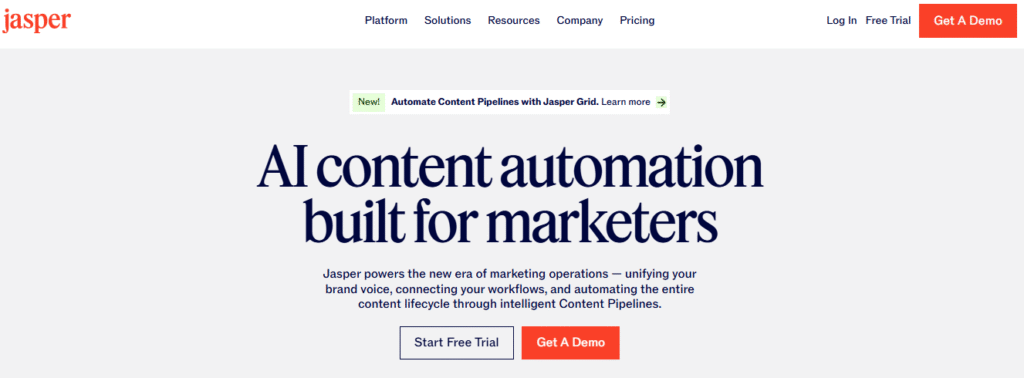
Jasper AI has become my go-to assistant for actually generating content. After planning with tools like SEOBoost and Frase, Jasper helps me quickly turn outlines into complete drafts, without losing focus on SEO or brand voice.
I remember working on a week-long content sprint where I had to draft multiple 1,500-word blog posts. Jasper allowed me to produce high-quality drafts in a fraction of the usual time.
Why I Use It: It helps generate paragraphs, subheadings, and even introductory sections based on the prompts I provide. What I find most valuable is that I can maintain a consistent tone and style across multiple articles, which is critical for brand consistency.
Key Features
Jasper can produce fully structured paragraphs based on your content brief or outline. I often feed it an SEOBoost brief, and it drafts sections while keeping keywords and search intent in mind. It saves hours of writing, especially when I’m handling multiple topics simultaneously.
Jasper offers templates for blog posts, product descriptions, emails, ad copy, and more. I use the long-form assistant template for blog content and the social media templates for captions. This keeps content creation structured and efficient.
One feature I appreciate is Jasper’s ability to adapt its tone and style. Whether I want a conversational, professional, or witty tone, I can adjust it in the prompt, and Jasper will generate content that matches. This is especially useful when working with multiple clients or brands.
For team projects, Jasper allows multiple writers to work on the same project, share outputs, and maintain consistency across drafts. This is a game-changer when managing content calendars for multiple clients.
After generating the content with Jasper, you can fine-tune it with SEOBoost for optimization. This allows you to produce high-ranking, high-quality content quickly, which is why Jasper is an essential part of my toolkit.
Pricing: Jasper AI is a paid tool, with plans starting at $29/month for individuals. For businesses or agencies needing multiple user access and advanced features, higher-tier plans are available.
4. Copy.ai – Quick, Creative AI Content (Free + Paid)
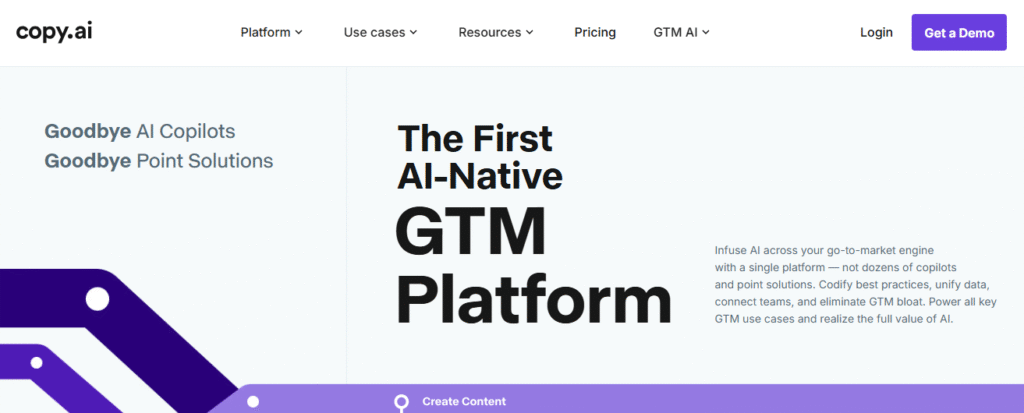
When it comes to fast, creative content generation, Copy.ai has become one of my favorite AI content marketing tools. I turn to Copy.ai for short-form content, brainstorming ideas, or quick drafts. It’s perfect for generating blog intros, social media captions, and even email copy in just a few clicks.
Why I Use It: I love that I can experiment with tone, style, and variations in seconds, which is invaluable when running multiple campaigns or needing fresh content for different platforms.
Key Features
Copy.ai comes with a wide range of pre-built templates for blog posts, product descriptions, social media posts, email copy, and more. I often use the blog idea generator and social media caption templates to quickly create engaging content without having to start from scratch.
You can input a keyword, topic, or idea, and Copy.ai generates multiple variations of headlines, paragraphs, and marketing copy. This is particularly useful for A/B testing content angles or finding inspiration when I feel stuck.
One of my favorite features is the ability to adjust tone, whether it’s witty, professional, casual, or motivational.
While Copy.ai is primarily known for short-form content, it also supports long-form blogs and articles. You can also use it to draft outlines or introductions, then refine and expand using Jasper or SEOBoost for full optimization.
While Copy.ai is great for content creation, you can always pair it with an optimization tool like SEOBoost to create a workflow that balances speed, quality, and SEO performance.
Pricing: Copy.ai offers a free tier with limited usage, which I often use for testing ideas or small projects. Paid plans start at $49/month, unlocking unlimited credits and access to all templates.
5. Writesonic – Affordable Content Creation and Optimization (Free + Paid)
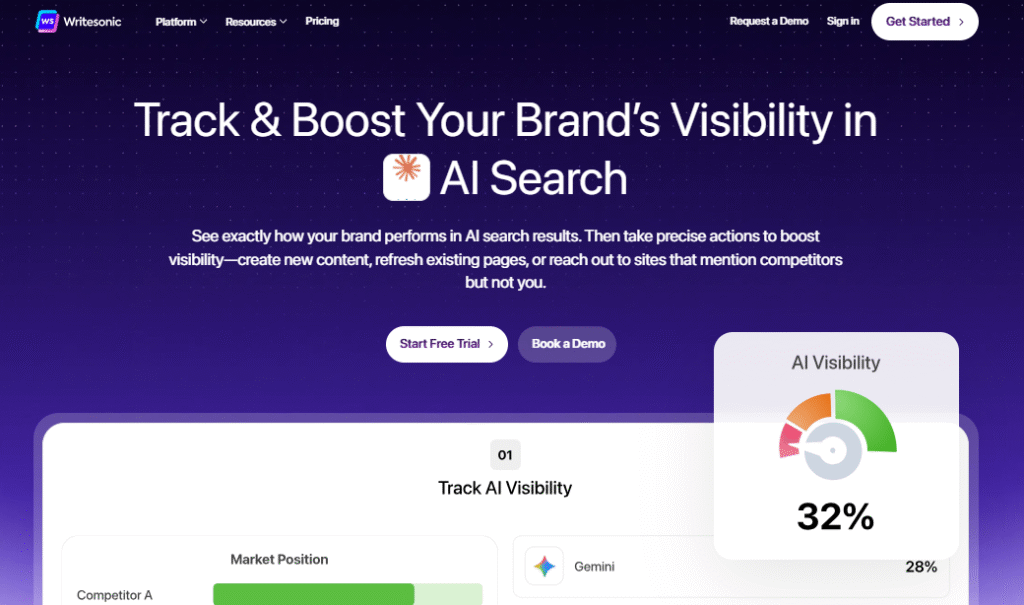
Writesonic is my go-to for fast, cost-effective content creation. I often reach for it when I need both short-form and long-form content, but I don’t want to invest in higher-tier tools for every single project.
Why I Use It: Writesonic is especially useful when I’m juggling multiple projects or producing content for clients with smaller budgets. Its AI-generated content is high-quality, and it provides a variety of templates that I can tweak and optimize for different purposes.
Writesonic strikes a perfect balance between affordability and functionality, making it one of the most versatile tools in my toolkit.
Key Features
Writesonic lets me generate SEO-optimized content by integrating target keywords and providing AI suggestions for headings, subheadings, and meta descriptions. I often use it to draft blog posts where SEOBoost can later refine keyword optimization, creating a seamless workflow.
Unlike some AI tools that focus mainly on short content, Writesonic can handle long-form blogs and articles, generating structured drafts with headings and subtopics.
One feature I use frequently is AI content rewriting. If a draft feels weak or repetitive, Writesonic helps me rephrase sentences, add variation, and make the copy more engaging. This is particularly helpful when I’m repurposing older content.
What makes all this even easier is that Writesonic has templates for ads, social media posts, product descriptions, and email campaigns, which I often use to generate content quickly without sacrificing quality. This saves hours of brainstorming and allows me to produce multiple variations for A/B testing.
One of my favorite aspects is how user-friendly and fast it is. I can input a keyword or brief, select the content type, and get multiple outputs in seconds. For high-volume content days, this is a lifesaver.
Once the draft is ready, refine it with SEOBoost for optimization. This workflow will allow you to balance speed, quality, and SEO effectiveness without spending a fortune.
Pricing: Writesonic offers a free tier for small projects and testing. Paid plans start at $13.33/month, making it one of the most affordable AI content tools that still provides high-quality output for both short-form and long-form content.
6. SurferSEO – Content Optimization and SERP Analysis (Paid)

SurferSEO is one of those tools I lean on when I’m deep in competitive research and need to understand exactly why top-ranking pages are winning. It’s not the cheapest tool out there, but it shines at analyzing SERP patterns, content gaps, and real-time optimization opportunities that can elevate a draft from “nice article” to “page-one-ready.”
Why I Use It: I like using Surfer for posts where I know the competition is fierce and I need an extra layer of refinement. The SERP analysis breaks down what the current winners are doing and I pair its use with SEOBoost for the bulk of my optimization, especially for intent clarity and content scoring.
Key Features
Surfer pulls live SERP data and gives a content score based on competitor averages. It highlights keyword density, semantic suggestions, and structural improvements.
The real-time editor makes it easy to tweak your draft as you write, showing you what elements might be missing compared to pages ranking in the top 10.
I use SurferSEO when I need to tighten on-page SEO, analyze my competitors deeply, and give a strong article that extra layer of polish before final optimization in SEOBoost.
Pricing: Paid plans start at $59/month.
7. Grammarly – AI Assistant for Clarity and Tone (Free + Paid)
Grammarly is like having a second pair of eyes for every piece of content. Whether I’m editing a blog post, writing an email, or polishing social copy, Grammarly helps ensure everything reads clean, clear, and professional.
Why I Use It: I often run my drafts through Grammarly before the final pass in SEOBoost to ensure both readability and search alignment.
It doesn’t replace SEO tools or writing frameworks, but it handles the quality control layer that most AI tools miss.
Key Features
Readability is now a ranking factor, and Grammarly helps maintain clarity without stripping away personality. It flags tone inconsistencies, overly complex sentences, or vague phrases, all the things that quietly hurt engagement and SEO performance.
The tool checks grammar, punctuation, tone, and clarity. It suggests more concise phrasing and highlights areas where your writing may sound confusing or overly formal.
This helps keep content easy to read, which improves user engagement, and that’s something Google absolutely pays attention to.
It’s perfect for editing everything from blog posts to emails to social media captions, ensuring they sound polished and consistent.
Pricing: Free plan available; Premium starts at $12/month.
8. AnswerThePublic – User-Intent Research and Topic Ideation (Free + Paid)
AnswerThePublic is one of my favorite tools for discovering what people are genuinely asking online. It visualizes user questions in a way that makes it incredibly easy to understand search intent, which is a crucial part of SEO in 2026.
Why I Use It: I use it when planning blog content that aligns with real user intent, especially to capture long-tail traffic and create posts that genuinely help the audience.
Whenever I’m planning a content calendar or looking for fresh angles on a topic, this is the tool I open first.
Key Features
This tool is perfect for uncovering long-tail opportunities and understanding the real questions behind a keyword.
These insights are invaluable when crafting content, especially since Google rewards pages that comprehensively answer related search queries.
It turns user questions, comparisons, prepositions, and related searches into visual maps. These help you spot patterns and content gaps instantly. It’s especially useful for small businesses because long-tail intent-based queries are often easier to rank for.
I often use AnswerThePublic to generate FAQs or subtopics before building out a full brief in SEOBoost.
Pricing: Free tier available; paid plans start at $99/month.
Final Word
SEO in 2026 demands speed, depth, and accuracy and no single tool can do it all. That’s why I rely on a blend of content creation tools, clarity-driven editors, and search-focused platforms to build content that performs.
But the real magic comes when I combine content marketing tools with SEOBoost.
SEOBoost ties everything together by providing the strategy and optimization layer that ensures all this content is ready to rank.
DIY or not, this workflow allows you to produce content that balances speed, quality, and SEO effectiveness, without overspending or overcomplicating your toolkit.
FAQs
Can AI be used for content marketing?
Yes, AI has become an essential part of modern content marketing. It speeds up research, drafting, and ideation, making it easier to produce consistent content even with small teams. The key is pairing AI writing tools with SEO platforms like SEOBoost to ensure AI-generated content remains optimized, accurate, and aligned with search intent.
Which AI tool is best for content marketing?
If ranking content is the goal, SEOBoost is one of the best AI content marketing tools to use because it handles topic research, content briefs, SERP analysis, optimization, and content audits. For drafting and ideation, tools like Writesonic, Jasper, and Claude are good options.
What are some of the best AI content marketing tools for 2026?
In 2026, some of the strongest AI content marketing tools will include SEOBoost for SEO research, optimization, and content scoring, All In One SEO for an AI assistant and on-page SEO analysis, and LowFruits for keyword research and capturing low-hanging fruit to win big. Each tool plays a distinct role, helping you create content that’s fast, polished, and strategically aligned with search demand.