Zero click searches have completely changed the way everyone thinks about SEO. And for the better!
For years, the default goal of search optimization was simple: rank higher, get the click, bring the visitor to your website. But now, users now expect faster answers, cleaner search experiences, and less friction.
Google has responded by expanding SERP features to include AI overviews. And in many cases, these features satisfy the user immediately, ending the search there with zero clicks.
That can sound threatening at first, especially if you’re used to measuring SEO success mostly through sessions and pageviews. But zero click searches are reshaping what it means to ‘win’ in search. In many cases, showing up in the answer itself is now part of the win.
This is why, you need an SEO strategy that accounts for zero-click behavior and SERP visibility. So, let’s get into what zero click searches in SEO are and how you can start optimizing your content for them.
- What Are Zero Click Searches in SEO?
- Why Zero Click Searches Are Growing
- 6 Types of Zero Click Searches
- 6 Reasons Zero-Click Searches Matter for SEO
- How to Optimize Content for Zero-Click Searches
- Step 1: Identify Questions Google Wants to Answer
- Step 2: Use an “Answer-First” Content Structure
- Step 3: Organize Content Into Clear Sections
- Step 4: Cover Related Subtopics (Semantic SEO)
- Step 5: Use Lists, Tables, and Structured Data
- Step 6: Optimize for AI Overviews
- Step 7: Monitor SERP Features and Update Content
- How to Track and Measure Zero-Click Search Performance
- Final Word
- FAQs
- What to Do Next
What Are Zero Click Searches in SEO?
A zero-click search happens when a user performs a search on Google and gets the answer they need directly on the search results page, without clicking through to any website.
That answer might come in several forms. It could be a featured snippet that gives a short definition, a knowledge panel showing information about a brand, person, or place. Or, it could be a local pack with addresses, hours, and phone numbers. It could even be a direct calculator, weather widget, sports result, flight tracker, or AI-generated overview.
What all of these have in common is that Google keeps the interaction within the search results rather than sending the user outward.
In a traditional search journey, Google helps users find answers. In a zero-click search, Google tries to be the answer.
That distinction matters because it changes how content is surfaced and how SEO performance should be evaluated.
For instance, if someone searches for “time in London,” Google displays the answer instantly. The user sees the current time, often along with the time zone, and there is no real need to click another site. The same thing happens with searches like:
- Weather in Chicago
- How many ounces are in a cup
- CEO of Microsoft
- What is topical authority
- Best coffee shops near me
You probably have made loads of these searches when looking for the weather or the cast of a film, which would appear something like this:
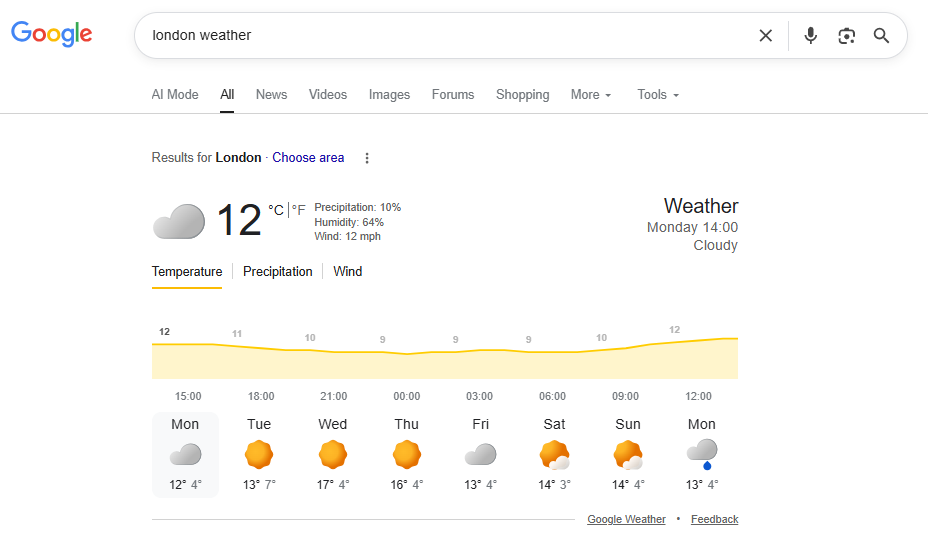
Some of these queries trigger widgets or direct-answer boxes. Others trigger snippets, map results, or knowledge panels. In every case, the user may complete the search without leaving Google.
That’s why zero click searches are not limited to one type of query. They appear across informational, navigational, local, and transactional search behavior.
So, why should you care about it as a marketer?
A lot of marketers hear “zero-click” and immediately think only in terms of lost traffic. I understand that reaction, but it misses the bigger shift.
Search visibility is no longer just about whether users click. It is also about whether your brand appears where attention is concentrated. If your content is used in a featured snippet, if your brand is visible in a local pack, or if your explanation informs the search result itself, you’re still influencing the user’s decision. That has branding value, trust value, and often downstream conversion value.
In other words, zero-click SEO is about expanding your definition of organic visibility. That’s because some searchers will still click because they want more detail, context, or comparisons. Others will remember the brand they saw in the snippet and come back later through branded search, direct traffic, or a later conversion path. That means a zero-click impression can still create real business value, even when it doesn’t generate an immediate session.
This is one of the reasons modern SEO reporting has to evolve. If you only look at clicks, you may think performance is flattening. But if impressions are increasing and your content is gaining more SERP presence, your authority may actually be growing.
Zero click searches are not all bad for publishers. In fact, they create opportunities for brand familiarity, stronger topical association, higher trust, and better positioning for follow-up searches with stronger intent.
Why Zero Click Searches Are Growing
Zero click searches didn’t appear suddenly. They are the result of Google gradually transforming from a traditional search engine into an answer engine.
Originally, Google’s job was to help users find the best website to answer their questions. Today, Google often tries to answer the question directly on the results page. This shift is driven by the growth of SERP features, the rise of AI-generated answers, and the demand for faster user experiences. And understanding these changes is critical because they shape how SEO works today.
The rise of zero-click searches forces us to create content that satisfies search intent, clearly answers questions, defines concepts, and organizes information.
This is where tools like SEOBoost’s Topic Reports can help identify the questions and subtopics Google expects content to address. Topic reports analyze real search results associated with your focus keyword and reveal 7 different types of reports containing the following:
- Related topics
- Semantic entities
- Common questions
- Competing content structures
1. SERP Features Are Expanding
Modern search results are far more complex than they were a decade ago.
Instead of showing only 10 blue links, Google now fills the page with features that surface information quickly. These elements often appear above traditional organic listings, which means users can get answers without scrolling or clicking.
Common SERP features that trigger zero click searches include:
- Featured snippets
- People Also Ask boxes
- Knowledge panels
- Local map packs
- Direct answer boxes
- Calculators and conversion tools
Each of these features serves the same goal: reducing the time it takes for users to find an answer.
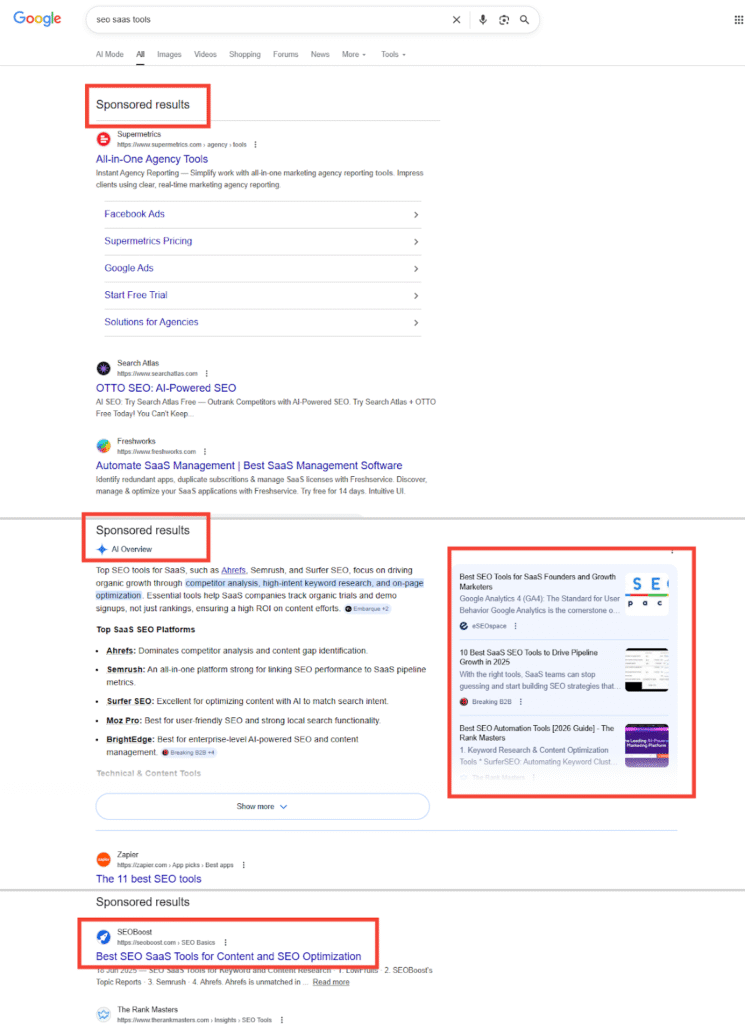
These features also compete for visual attention. When a featured snippet appears above the first organic result, it effectively becomes position zero.
That means even if you rank #1 organically, your result may still appear below the snippet. For marketers, this creates a new objective: not just ranking, but owning SERP features.
2. AI Overviews Are Accelerating the Trend
One of the biggest developments affecting zero click searches is the introduction of AI Overviews.
AI Overviews summarize information from multiple sources and present it as a consolidated answer at the top of the search results. Instead of clicking multiple articles, users can often read the summary and move on.
These summaries typically appear for informational queries such as:
- How-to searches
- Definitions
- Educational topics
- Comparisons
While the summaries often link to sources, many users read the overview first before deciding whether they need more information.
AI overviews are important because they fundamentally change how users interact with search results. Instead of scanning multiple websites, users can instantly absorb key insights. That convenience increases the likelihood that a search session ends without a click. However, it also creates an opportunity. If your content is cited within those summaries, your brand can gain significant visibility.
3. Users Expect Instant Answers
The final reason zero click searches are growing is simple: user behavior has changed.
Searchers increasingly expect answers immediately. Think about how people search today. Many queries are short, direct, and informational:
- “weather tomorrow”
- “how many grams in an ounce”
- “capital of Norway”
- “SEO meaning”
For these queries, the user’s goal is not to read an article. The goal is simply to get the answer. Google understands this behavior and designs the search experience accordingly. The more efficiently it can deliver the answer, the better the user experience becomes.
This is why simple factual queries are among the most common zero click searches.
4. Google Wants to Keep Users in Its Ecosystem
Another factor behind zero click searches is Google’s business model.
The longer users stay within Google’s environment, the more opportunities Google has to show ads, surface products, or guide users toward its own services.
SERP features help achieve this by reducing the need for users to leave the search results page.
That doesn’t mean publishers are excluded entirely. In many cases, Google still cites sources within snippets, AI overviews, and knowledge panels. But the interaction increasingly takes place within the search interface.
For SEO professionals, this means the objective is evolving. Instead of focusing only on driving organic traffic, SEO increasingly involves owning visibility across the search results page.
6 Types of Zero Click Searches
Zero click searches occur through specific SERP features that let Google answer queries directly on the results page. Understanding these features is important because each one behaves differently. Some pull information directly from websites, while others rely on structured data or Google’s own knowledge graph.
Let’s break down the most common zero-click result types.
1. Featured Snippets (Position Zero)
Featured snippets are one of the most recognizable zero-click search features.
They appear at the very top of the search results and extract a short answer from a webpage that Google believes best answers the query.

Featured snippets typically appear in three formats:
- Paragraph snippets
- List snippets
- Table snippets
The goal of a featured snippet is to give users a quick answer without requiring them to open a page. However, featured snippets still include a link to the source website. This means they often generate high-intent clicks when users want more detailed explanations.
Featured snippets usually come from pages that clearly answer questions. Google prefers concise answers placed immediately below question-style headings. So, I’d recommend formatting these and adding questions as H2s or even H3s in your content.
This format makes it easier for Google to extract your content into a snippet.
2. People Also Ask (PAA)
The People Also Ask section expands related questions connected to the original search query.
When users click a question, Google reveals a short answer extracted from a webpage. The box then expands with additional related questions. These sections are powerful because they reflect real search behavior. Instead of guessing what users want to know next, Google displays the exact follow-up questions people commonly ask.

PAA results are one of the easiest SERP features to target.
If your article clearly answers multiple related questions, Google may use your content for several PAA entries within the same topic. This dramatically increases your SERP visibility, even if your article ranks lower in the traditional results.
3. Knowledge Panels
Knowledge panels appear on the right side of desktop search results and display structured information about entities such as companies, public figures, or places.
These panels pull information from Google’s Knowledge Graph, which collects structured data from trusted sources like Wikipedia, Wikidata, and authoritative websites.
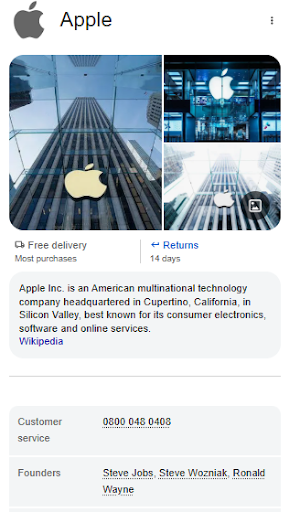
Knowledge panels often include:
- Brand descriptions
- Logos and images
- Founding dates
- Information on founders or leadership
- Related entities
Unlike featured snippets, knowledge panels do not always cite a specific webpage for the answer. It’s part of entity SEO.
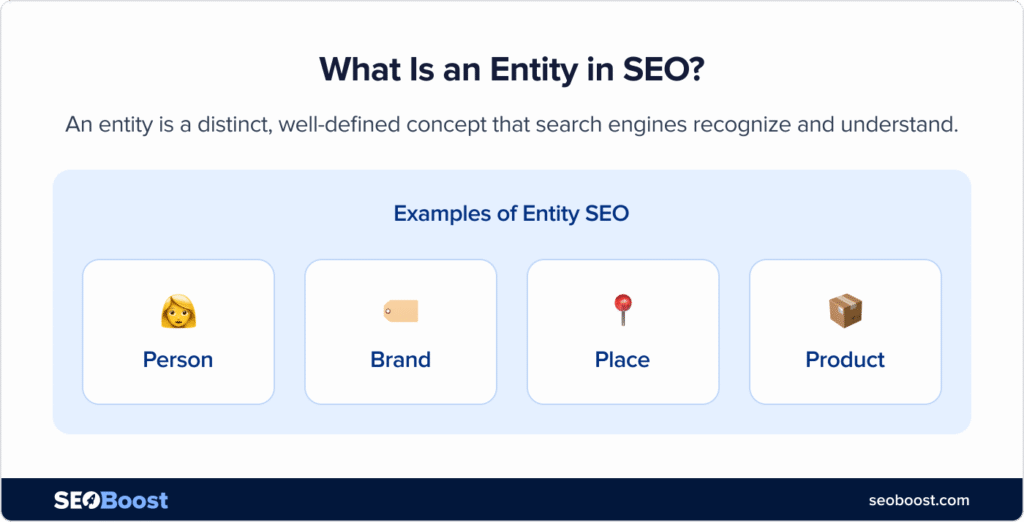
For brands and companies, knowledge panels are an important form of search credibility. That’s because when users search for a company and see a detailed knowledge panel, it reinforces trust and authority. And while you cannot fully control knowledge panels, structured data and consistent brand signals help influence them.
4. Local Pack Results
Local pack results appear when Google detects local search intent.
For queries like “restaurants near me” or “dentist in London,” Google would usually display a map with businesses. Users can interact with these listings directly in the SERP.
They can:
- View ratings
- Check hours
- Call the business
- Get directions
In many cases, users never visit the website. That’s because most of the information is available right there, resulting in zero click searches.
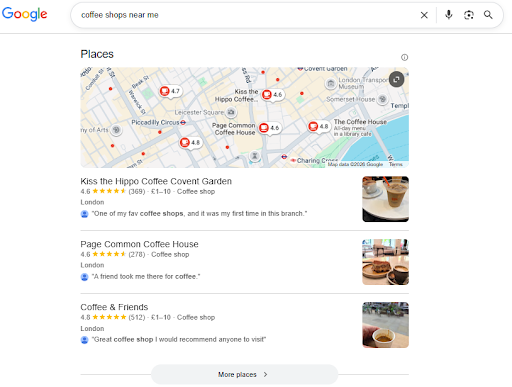
Local packs are designed to help users take action quickly. If someone can see the phone number, hours, and location immediately, they may call or visit without ever opening the website. This means local SEO success is often measured by calls and visits, not just clicks.
5. Instant Answer Boxes
Some queries trigger direct answer boxes that rely entirely on Google’s internal data.
Some of the examples include:
- Currency conversions
- Calculator results
- Sports scores
- Flight tracking
- Time zones
These results often do not link to external websites.
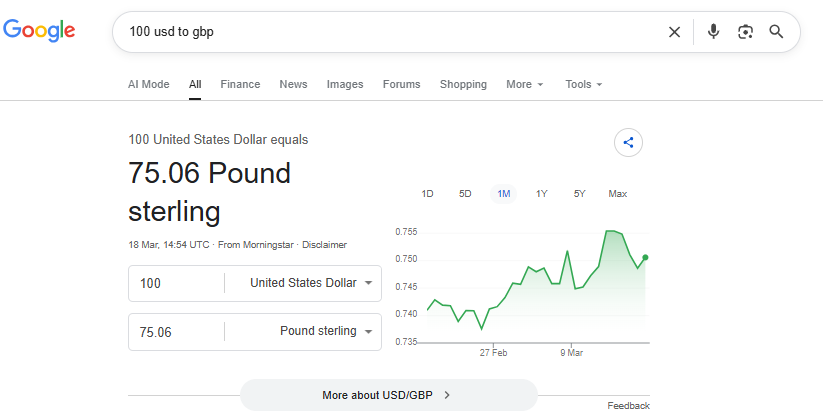
Users usually search for these types of queries when they want quick responses, and because the answer is displayed right there, it doesn’t include any links to click on.
6. AI Overviews
And finally, the newest type of zero-click search results: AI Overviews. These are basically summaries generated by generative AI that combine information from multiple sources and present a consolidated answer at the top of the SERP.
They typically appear for educational queries such as:
- How-to topics
- Explanations
- Comparisons
- Complex questions
Unlike featured snippets, AI Overviews summarize information from multiple websites simultaneously.
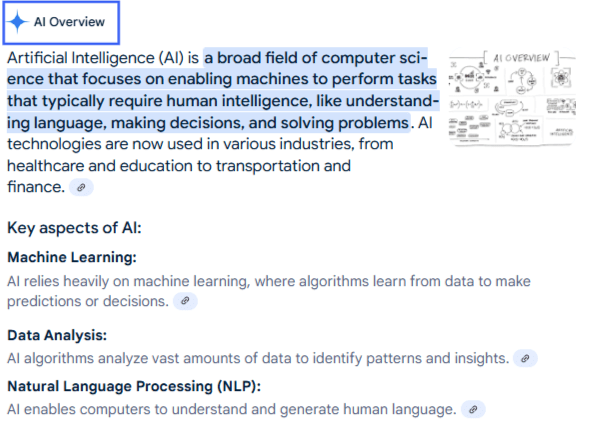
Because they appear at the top of the search results and summarize the information fairly accurately, most users don’t interact with the rest of the SERPs unless they want an in-depth analysis.
The good news is that it includes links to the websites where the summaries are sourced, so if your content is optimized for the target audience and keywords, you can appear in AI Overviews.
6 Reasons Zero-Click Searches Matter for SEO
At first glance, zero-click searches can seem like bad news for websites. If users get answers directly on Google, it might appear that fewer people will visit your site. While there is some truth to that concern, the reality is more complex.
Zero-click searches don’t just change how users interact with search results; they also change how users interact with the search engine and how SEO success should be measured. Instead of focusing solely on traffic, modern SEO increasingly emphasizes visibility across the search results page.
In many cases, appearing in SERP features can generate brand exposure, authority, and future traffic, even when a click doesn’t occur immediately.
1. Visibility Is Becoming More Important Than Clicks
In traditional SEO, success was largely defined by ranking in the top organic positions and earning clicks. Today, the search results page is much more dynamic.
Between featured snippets, People Also Ask boxes, knowledge panels, local packs, videos, shopping results, and AI Overviews, the SERP has become a multi-layered information interface.
If your brand appears in one of these features, you gain visibility even before users consider clicking.
For example, when a featured snippet pulls a definition from your article, your brand name and page title appear at the top of the results. Even if the user doesn’t click, they still see your site as the source of the answer.
Over time, this type of exposure can strengthen brand recognition and trust.
2. SERP Presence Builds Brand Authority
When your content repeatedly appears in SERP features, users start associating your brand with expertise on that topic. This is also part of the entity SEO strategy that most reputable brands strategize for.
Imagine a user researching SEO strategies over several days. If they repeatedly see your brand answering questions in featured snippets or People Also Ask boxes, your site becomes familiar to them. That familiarity can lead to branded searches later, resulting in direct traffic and greater trust in future buying decisions.
In other words, zero-click visibility can act as top-of-funnel brand marketing. Instead of measuring SEO only by sessions, it can also be measured by search impressions and brand exposure.
3. Zero-Click Queries Often Represent Early Research
Many zero-click searches occur during the earliest stages of the research process.
Users may start with simple questions such as:
- “What are zero click searches”
- “SEO meaning”
- “What is topical authority”
At this stage, they are gathering basic knowledge. They may not need to visit a website yet. However, later queries often become more specific, such as:
- “Best SEO tools”
- “SEO strategy for SaaS”
- “DIY SEO tools”
These queries are more likely to generate clicks because users want deeper explanations or actionable guidance. What that means for you is that you should try to optimize your content for both categories and hit the right keyword intent, because early informational searches can influence later decisions.
4. Some SERP Features Still Drive Clicks
Not all zero-click features eliminate traffic. In many cases, they actually increase click-through rates for the websites that appear within them.
Featured snippets, for example, often generate high-quality traffic when users want more detail than the short answer provides. Similarly, AI Overviews often cite several sources. Users who want deeper insights may click those links.
This means the goal is not to avoid zero-click searches, but to own the answer that appears in them. When your content is the source Google trusts, your site becomes the next step in the user’s journey.
5. SERPs Are Becoming Their Own Marketing Channel
The search results page itself is becoming a platform for discovery. Instead of thinking of Google solely as a traffic source, it’s helpful to view it as a visibility ecosystem.
Users interact with snippets, videos, maps, AI answers, FAQs, product results, and several other result types, all within the same interface. For marketers, that means SEO is no longer just about rankings. It’s about occupying as much relevant space on the SERP as possible.
Remember, your goal should be to appear in multiple SERP features and dominate the conversation around a topic.
6. SEO Metrics Are Changing
Because of zero-click searches, traditional SEO metrics must be interpreted differently. Instead of focusing exclusively on clicks, many SEO professionals now monitor impressions, search appearance in SERP features, snippet ownership, and branded search growth.
Google Search Console is particularly useful for identifying potential zero-click queries. When a keyword generates high impressions but low click-through rates, it often means that the query triggers a zero-click result.
This means that, even with zero click searches in SEO, your website and business can still grow digitally as long as you start measuring the metrics that are actually making an impact.
How to Optimize Content for Zero-Click Searches
So, now that we’ve covered what zero click searches are and how you can use them to increase authority, brand exposure, and high-intent clicks, let’s look at the framework to optimize your content for it.
Step 1: Identify Questions Google Wants to Answer
The first step is understanding which questions Google is directly answering in the SERP. Zero-click results usually appear when users ask informational questions.
Some of the common query patterns that I’ve noticed include:
- “What is…”
- “How to…”
- “Why does…”
- “Difference between…”
- “Examples of…”
These question-based searches often trigger featured snippets or People Also Ask boxes. A good starting point is analyzing the questions already appearing in the search results for your topic.
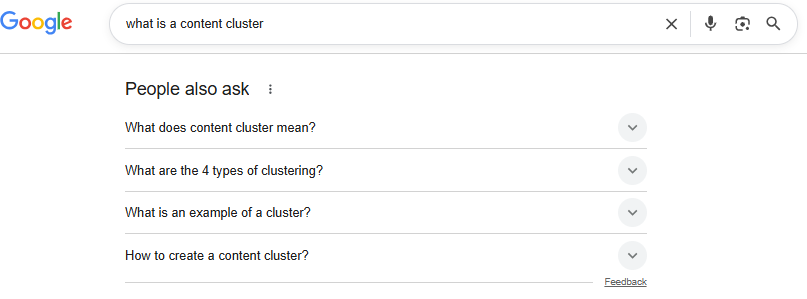
Once you’ve identified these questions, include them directly in your content, as headings or smaller sections. Answering these questions within your article increases the likelihood that Google will extract your content into these features.
Step 2: Use an “Answer-First” Content Structure
Search engines prefer answers that appear immediately after a question heading. Instead of burying definitions deep inside paragraphs, structure your content so that each section begins with a concise answer.
Here’s an example: H2: What Is A Zero-Click Search?
Immediately below the heading, include a clear definition in about 40-60 words. After the definition, expand on the concept with additional context, examples, and explanations.
This structure works well because Google’s systems can easily extract the first paragraph as a featured snippet while still leaving deeper information for readers who click through.
Step 3: Organize Content Into Clear Sections
Well-structured articles make it easier for search engines to understand and extract information.
This is why headings and content hierarchy matter. Instead of writing long blocks of text, organize information into clearly labeled sections that address specific questions or subtopics.
In my experience, a strong structure often includes:
- A question-based heading
- A concise answer
- Supporting explanation
- Examples or additional context
This format helps search engines determine which part of the page answers a specific query.
Step 4: Cover Related Subtopics
Search engines analyze the breadth of coverage around a topic when deciding which content to display in SERP features.
Articles that only answer one narrow question often struggle to appear in multiple snippets or AI summaries. Instead, comprehensive content should cover related subtopics connected to the main keyword.
For example, an article about zero-click searches should also cover types of SERP features and a how-to guide on optimizing content for it. This broader coverage signals topical authority.
This is where using AI tools like SEOBoost’s Topic Reports feature can help. When you put your focus keyword in it, it generates 7 different types of reports identifying the related keywords, terms, and subtopics you can cover.
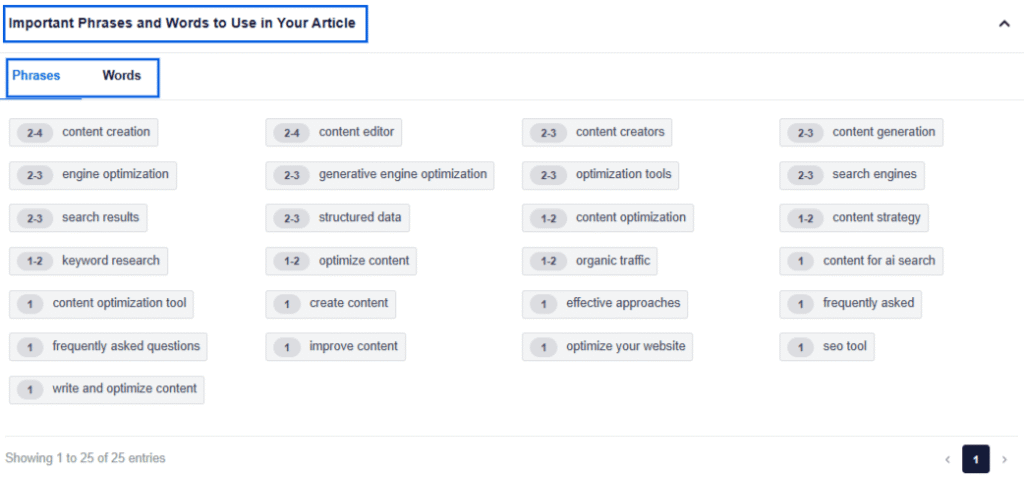
By using these in your content, you can structure your content for success and even get content ideas for related clusters.
Step 5: Use Lists, Tables, and Structured Data
Google often prefers structured formats when generating answer boxes. Content formatted as lists or tables is easier for search engines to extract and display.
For example, list snippets frequently appear when users search for:
- Steps
- Rankings
- Comparisons
- Checklists
Table snippets appear when comparing data. For instance, an article comparing SEO tools could include a table summarizing pricing, features, and best use cases.
Structured formatting increases the chances that Google will use your content in a snippet.
Step 6: Optimize for AI Overviews
AI Overviews pull information from multiple trusted sources to generate a summary. While the exact ranking factors are still evolving, several patterns appear consistently in content that gets cited.
Content used in AI summaries typically includes clear definitions, strong topical coverage, authoritative explanations, and well-structured sections. This reinforces the importance of writing content that is both comprehensive and easy to summarize. The clearer your explanations are, the easier it is for AI systems to incorporate them into answers.
Step 7: Monitor SERP Features and Update Content
Winning SERP features is not a one-time effort. Search results evolve constantly as new pages are published and Google updates how it displays answers across featured snippets, People Also Ask, and AI overviews.
Monitoring performance helps you identify where your content is close to gaining visibility but hasn’t yet captured those positions. One of the clearest signals is when a query generates strong impressions but relatively low click-through rates. In many cases, this indicates that Google is already showing an answer directly in the SERP, and your content may be competing for that position.
This is where regular content updates become essential. Improving clarity, restructuring sections to answer questions more directly, and expanding coverage around related subtopics can significantly increase your chances of being featured.
That’s why, I use SEOBoost’s Content Audit feature to identify if the content needs to be updated. It make this process much easier. Instead of manually reviewing pages, the audit highlights exactly where a piece of content is losing visibility, missing key topics, or falling behind competitors. It identifies gaps in coverage, weak sections, and opportunities to improve structure, so your content aligns better with what Google currently rewards.
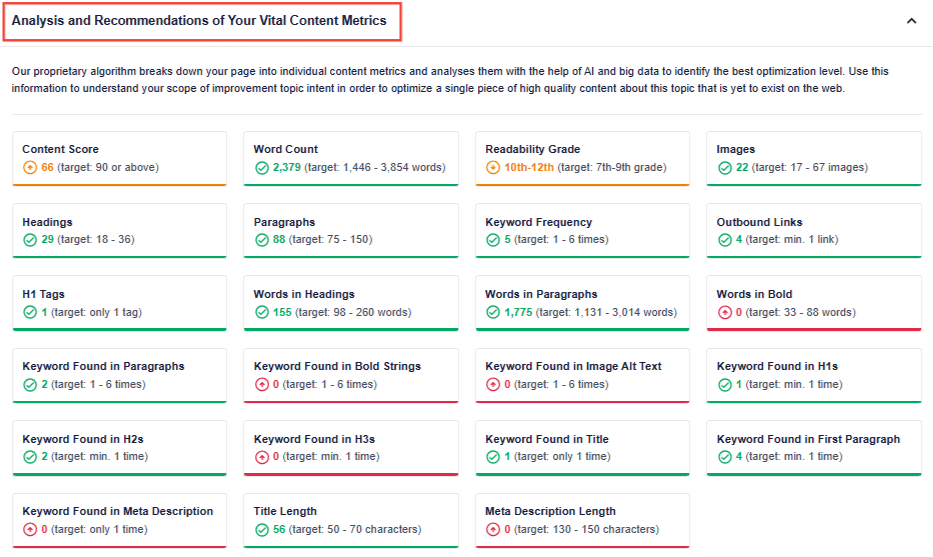
By using these insights, you can update existing pages strategically rather than guessing what needs improvement. Over time, this allows you to continuously refine your content, maintain relevance, and increase your chances of ranking for zero-click search results as the SERP evolves.
How to Track and Measure Zero-Click Search Performance
One of the biggest challenges with zero click searches is that they can make SEO performance look misleading at first glance.
But, instead of focusing solely on clicks, your analysis should also consider search impressions, SERP feature visibility, and query patterns indicative of zero-click behavior.
And here are several ways to identify and track these signals. Let’s look at a few important ones.
1. Use Google Search Console to Identify Zero-Click Queries
Google Search Console is the most useful tool for identifying potential zero-click searches. Within the Performance report, you can see 4 key metrics:
- Clicks
- Impressions
- Click-through rate (CTR)
- Average position
Zero click searches often appear as queries that generate high impressions but relatively low CTR. This usually indicates that the search results page contains a featured snippet, knowledge panel, or other answer box that satisfies the query before users click.
2. Look for SERP Feature Keywords
Another way to identify zero-click opportunities is by analyzing keywords that commonly trigger SERP features. These usually include the following:
- Definition queries
- Question queries
- Conversion queries
- Local searches
- Quick factual searches
These queries frequently generate snippets, widgets, or local packs. And recognizing these query types helps you anticipate which content may generate impressions without immediate clicks.
3. Track Brand Visibility in Search
Zero-click visibility can still create brand awareness even without clicks.
If users repeatedly see your brand answering questions in SERP features, they may remember your site and search for it later.
One way to detect this effect is by monitoring branded search growth.
If branded queries increase over time, it may indicate that users are discovering your brand through SERP exposure.
This is why impressions are often underrated as an SEO metric. High impressions combined with rising branded searches can signal that your content is gaining authority in search results.
4. Monitor SERP Changes and Featured Snippet Ownership
Search results evolve constantly. Google frequently introduces new SERP features, updates AI summaries, and changes how information is displayed. Monitoring SERP changes helps ensure that your content remains competitive.
For example, a keyword that previously generated clicks may shift toward zero-click behavior if Google introduces a featured snippet or AI overview. Regularly reviewing search results for your target keywords helps identify these shifts early.
You should also keep an eye on monitoring the ownership of featured snippets, as they are one of the few zero-click features that still drive meaningful traffic. Tracking whether your content owns these snippets can reveal valuable opportunities.
If competitors replace your snippet, traffic may decline even if rankings remain similar. Maintaining snippet ownership often requires periodic updates to ensure the definition remains clear, concise, and accurate.
Final Word
Zero click searches have reshaped the way users interact with search engines. Instead of always sending users to websites, Google increasingly delivers answers directly within the search results through features like featured snippets, People Also Ask boxes, knowledge panels, and AI overviews.
And content that clearly answers questions, covers topics comprehensively, and is structured for easy extraction has a much better chance of appearing in these features. When your content becomes the source Google uses to answer queries, your brand gains exposure, authority, and trust, even before users visit your site.
So, rather than fighting the rise of zero click searches, the smarter strategy is to optimize for them.
By understanding how SERP features work and structuring your content accordingly, you can turn these search experiences into opportunities for visibility and influence.
FAQs
What is a zero click search?
A zero-click search occurs when a user finds the answer they need directly on the search results page without clicking on any links. This usually happens through SERP features such as featured snippets, knowledge panels, AI overviews, or direct answer boxes that display information immediately.
How to do SEO as a beginner?
Beginners can start SEO by focusing on keyword research, creating helpful content, optimizing page structure, and improving internal linking. Learning how search intent works and using tools to analyze search results can also help identify opportunities to rank for relevant topics.
What percentage of searches are zero click?
Studies suggest that more than half of Google searches now end without a click. This happens because Google increasingly answers queries directly through SERP features like snippets, widgets, and AI summaries that satisfy user intent without requiring a website visit.
Is SEO worth it anymore?
Yes, SEO is still one of the most valuable digital marketing strategies. Even as zero-click searches grow, appearing in SERP features can increase brand visibility, authority, and trust. Websites that optimize their content for both rankings and search features continue to generate traffic and influence search behavior.
What to Do Next
If you want to take advantage of zero-click search opportunities, the next step is learning how to structure and optimize your content for search intent and SERP features.
Start by improving how you research and organize topics. This guide on topic modeling explains how to identify related questions, subtopics, and semantic entities that search engines expect content to cover: https://seoboost.com/blog/topic-modeling/
Once you understand the topic landscape, the next step is creating well-optimized content that answers questions clearly and completely. This article on SEO content optimization tools explains how marketers can structure content to improve rankings and SERP visibility: https://seoboost.com/blog/best-seo-tools-for-content/
You can also learn how to implement modern search strategies in this guide on SEO best practices for ranking in competitive SERPs: https://seoboost.com/blog/seo-techniques/
Finally, if you’re building your SEO strategy without an agency, this DIY SEO framework explains how to manage keyword research, content creation, and optimization step by step: https://seoboost.com/blog/diy-seo/