If there’s one question I’ve had to answer repeatedly as a content strategist, it’s this: “What’s the actual difference between SEM vs. SEO?”
In almost every team I’ve worked with, from early-stage SaaS startups to scaling agencies, I’ve seen the same confusion. When I first started in marketing, I also assumed SEM and SEO were interchangeable.
But the deeper I went into performance analytics, the clearer the distinction became:
- SEO is about earning traffic,
- While SEM is about buying traffic strategically.
Both are essential. Both can fuel long-term growth. And both rely on search engines to reach your audience. But the mindset, metrics, and execution behind each one are completely different.
Understanding this difference is exactly what will help you scale your organic search, and in this guide, I’ll walk you through everything I’ve learned.
Let’s start with simple definitions.
- What Is SEO?
- What Is SEM?
- SEM vs. SEO: The Key Differences
- When to Use SEM vs. SEO, or Both (A Simple Framework)
- SEM vs. SEO Costs: Which One Is More Affordable?
- How To Decide Between SEM vs. SEO
- Step 1: Start With Search Intent (This Solves 50% of the Confusion)
- Step 2: Evaluate Keyword Competitiveness
- Step 3: Check SERP Stability (Are Rankings Moving or Stagnant?)
- Step 4: Consider Timeline, KPIs, and Goals
- Step 5: Use SEOBoost to Analyze Content Effort vs Reward
- Step 6: Evaluate Conversion Intent and Revenue Potential
- Real-World Scenarios: When SEO Wins, SEM Wins, and When Both Work Together
- Final Word: SEM vs. SEO
- FAQs
What Is SEO?
SEO, or Search Engine Optimization, is all about improving your website so you can earn visibility in the organic results. No paying for clicks. No bidding wars. Just relevance, authority, and helpful content.
I always describe SEO as the “slow burn that becomes the backbone of your growth.” Because once your content ranks and ranks well, your traffic compounds without needing additional spend.
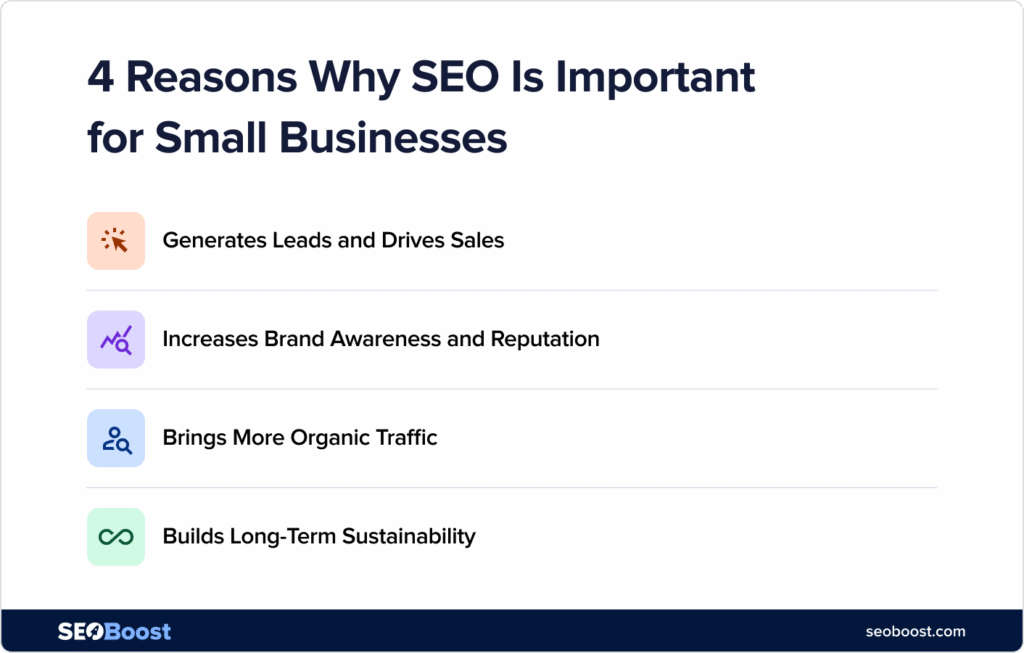
Some common examples of SEO in action include:
- Creating helpful, EEAT-aligned content
- Publishing content that targets search intent
- Improving page speed and Core Web Vitals
- Earning backlinks from authoritative websites
- Updating outdated pages to stay competitive
- Optimizing website structure, metadata, and headings
But SEO is also becoming harder. You’re not just competing against other websites; you’re now also competing against AI overviews, feature snippets, video carousels, and search engines that prioritize intent more aggressively than ever.
This is exactly where I rely on SEOBoost’s Topic Reports and Content Optimization to understand what the SERP actually demands.
Unlike traditional keyword tools, Topic Reports show 7 types of reports for the focus keyword to help me understand its usage and intent in detail. But we’ll discuss more of this in the later section.
For now, you should know that SEO takes time. But once it compounds, it becomes the most sustainable channel you’ll ever build.
What Is SEM?
SEM, or Search Engine Marketing, includes paid strategies to get your website in front of people right now. Think Google Ads, search ads, shopping ads, remarketing campaigns, anything where visibility is bought, not earned.
If a company tells you that they need “fast results,” SEM is usually the first place you should look.
So, here’s what counts as SEM:
- Google Search Ads
- Ad copy optimization
- Retargeting campaigns
- Performance Max campaigns
- Shopping Ads (for eCommerce)
- Keyword bidding and PPC strategy
While SEO focuses on building authority, SEM focuses on capturing demand instantly. You pick a keyword, set your bid, write compelling ad copy, and you can appear above even the strongest organic competitors.
Here’s the thing: With SEM, you can appear on page 1 within hours, target high-intent keywords immediately, and control budget and ROI more predictably.
And while SEM is powerful, it isn’t cheap. This is where understanding SEM vs. SEO becomes essential, especially when planning budgets for startups, agencies, or content-driven businesses.
SEM vs. SEO: The Key Differences
Even though SEM and SEO both revolve around search engines, the way they work and the results they deliver are fundamentally different.
So, below is the breakdown I use when explaining SEM vs. SEO to non-technical stakeholders:
1. Traffic Type
SEO → Earned Traffic
You aren’t paying for clicks. You’re winning visibility by proving your content is useful, authoritative, and aligned with search intent.
SEM → Paid Traffic
You’re bidding for placement. Every click costs money, but results are instant.
2. Timeline
As for the timeline for results, SEO is more of a long-term growth plan. It can be slower to build, but it does compound over time.
What I like most about SEO strategies is that they are highly sustainable and can improve domain authority over the long term.
On the other hand, SEM can show you immediate results and visibility. However, the results can stop almost immediately the moment you pause your ads.
I’d still say that it’s great for new launches, time-sensitive campaigns, or testing conversion pages
3. Cost Structure
Budgets matter!
Whether you’re a big-scale agency or a freelancer, everyone has a cap on how much they can spend on SEO vs. SEM strategies.
In my experience, SEO requires a lot more time and resources than SEM. But you have multiple options and avenues for investing.
These include:
- Content creation
- Content audits
- Backlinks strategy
- Technical optimization
- Getting SEO tools like SEOBoost
There’s no “cost per click,” but you do invest upfront in content quality.
With SEM, you essentially pay for every interaction, including:
- Cost-per-click (CPC)
- Cost-per-impression (CPM)
- Cost-per-acquisition (CPA)
4. Placement in the SERP
SEO results usually appear in organic search results below ads and the AI Overview section.
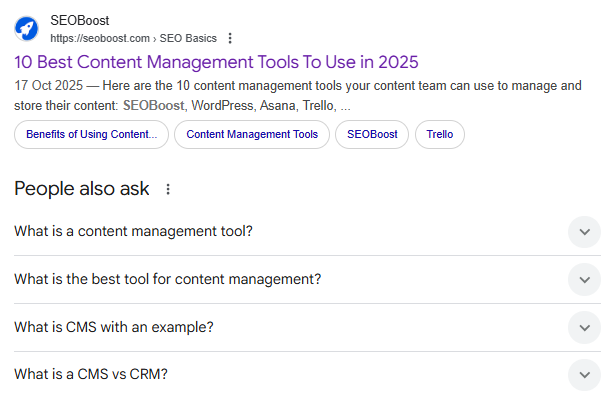
With it, you also get the chance to be featured in featured snippets, Google’s People Also Ask section, knowledge panels, and even as part of the AI Overview.
SEM results appear at the very top (and sometimes bottom) as search ads, sponsored listings and promotion-based placements.
They’re usually highlighted under the ‘Sponsored results’ section.
5. User Trust
This is my favorite difference because it ties directly into EEAT.
Google’s EEAT guidelines emphasize the importance of expertise and of building trust through high-quality content. And when that’s present, your content does perform well.

In my experience, a long-term SEO content strategy leads to higher perceived credibility. People trust organic results more because they represent relevance and authority.
And while SEM can be helpful, it’s often reduced to the value of just a sponsored ad. Users know ads are paid placements, so trust depends heavily on brand reputation and ad quality.
6. Metrics Measured
The last major difference between SEM vs. SEO is the metrics used to measure performance.
Some of the most common SEO metrics include:
- Organic traffic
- Keyword rankings
- Click-through rate
- Backlinks number
- Engagement time
- Page experience metrics
- Content quality score (this is where SEOBoost helps a lot)
For SEM, some of the most common key metrics include:
- Cost per click
- Click-through rate
- Ad quality Score
- Conversion rate
- Impression share
- Return on ad spend (ROAS)
When to Use SEM vs. SEO, or Both (A Simple Framework)
Over the years, I’ve developed a simple decision framework I use with founders, marketing teams, and even clients who are completely new to search.
Here’s how I explain it:
Use SEO when…
You want long-term visibility and compounding traffic.
It’s typically best for:
- Agencies
- SaaS brands
- Evergreen topics
- Thought leadership
- Blogs and publishers
- Lead generation funnels
- Content-driven businesses
It’s also ideal to use if you’re building topical authority and want sustainable, cost-effective traffic. It also helps you improve sitewide health, which allows you to invest in consistent content.
This is also where you can add SEO tools like SEOBoost to help you.
I personally rely heavily on its Topic Reports and Content Optimization features.
Topic Reports have simplified my keyword research. It generates 7 different types of report for the focus keyword you’re targeting.
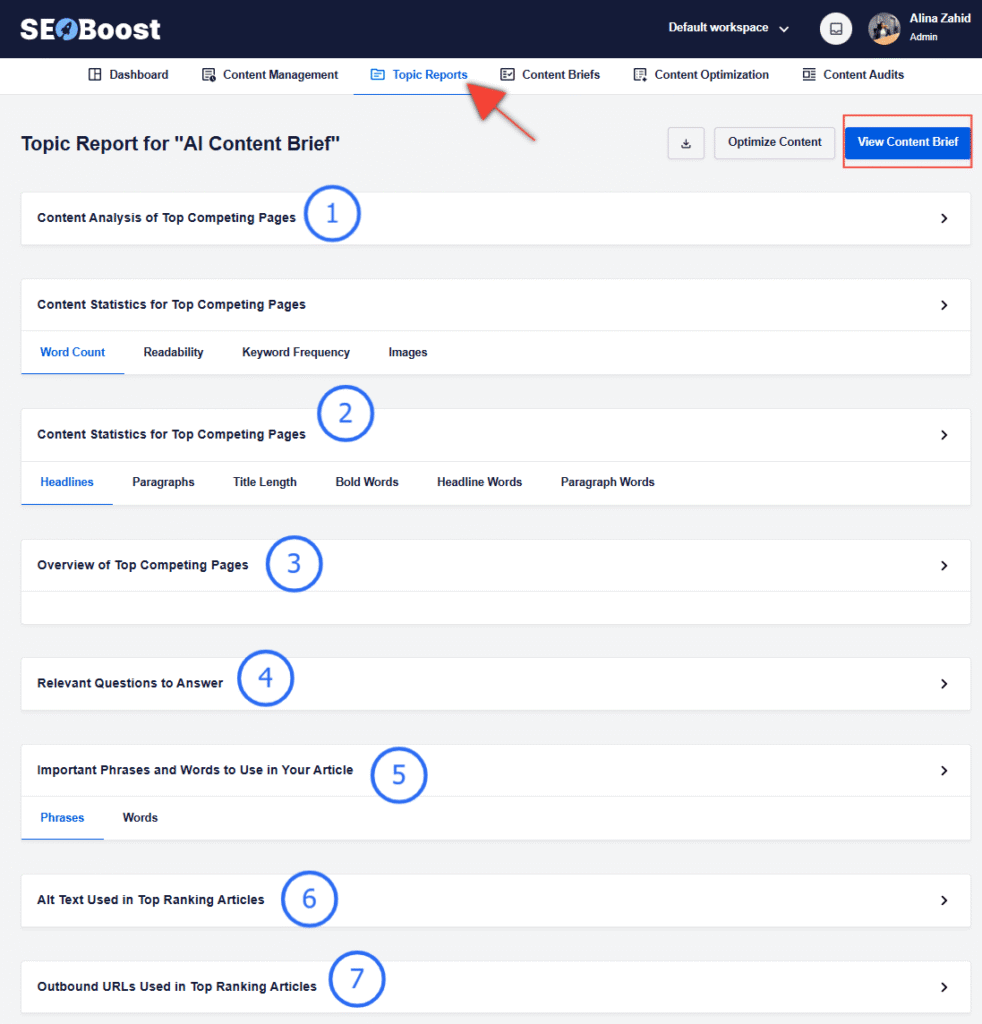
This allows you to identify the keyword variants you should include, fill competitor gaps, hit the ideal content depth, and plan your content for the right search intent.
Once I have the draft ready for a blog post, I run it through the Content Optimization feature, which is a lifesaver for my posts.
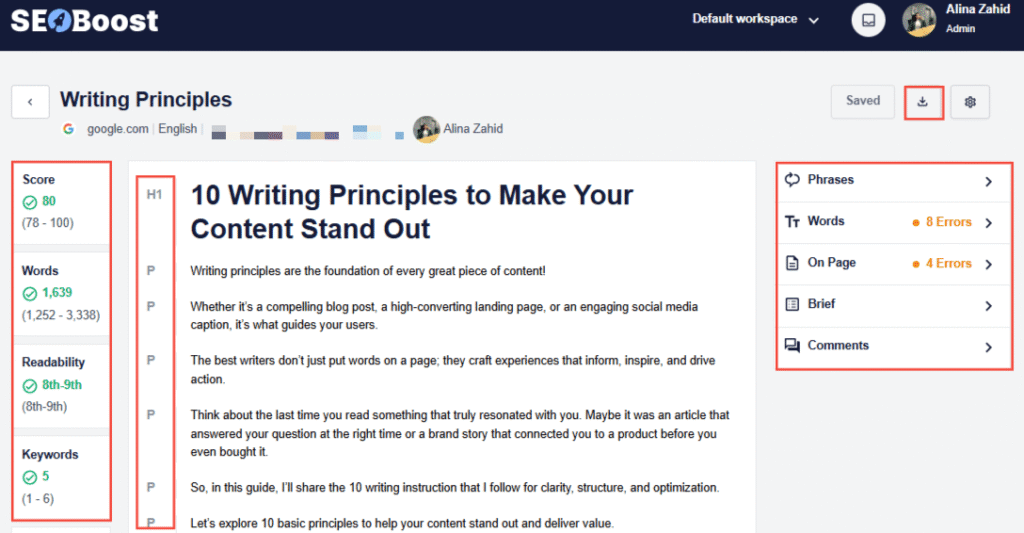
It assigns an SEO score based on readability and SEO metrics, and provides real-time suggestions to improve the score, fix readability, and enhance metadata.
Use SEM when…
You need results fast, or you want to test conversion pages quickly.
It’s typically best for:
- Seasonal campaigns
- Testing landing pages
- New product releases
- New website launches
- Black Friday / Cyber Week
- Early-stage demand validation
- Competing in highly competitive niches
It’s also great to use if you need to boost traffic immediately or to test your brand’s tone of voice through messaging.
If you’re a new brand entering a saturated market, you can also employ it to dominate the SERPs.
Use Both SEO and SEM when…
You want the “power combo” that most successful brands use.
In my opinion, the combo works best when you want to:
- Scale a new product
- Have a content-driven strategy
- Want to capture all search demand
- Dominate both paid and organic results
- Need data (SEM) and authority (SEO) together
- Targeting keywords with high commercial intent
SEM gives you instant data and SEO uses those insights to build long-term, evergreen content.
SEM vs. SEO Costs: Which One Is More Affordable?
One of the biggest misconceptions I hear from founders and clients is: “SEO is free, and SEM is expensive.”
In reality, neither is free. They require different types of investment. And the reason most teams choose the wrong channel is that they compare costs rather than returns.
Let me break down what I’ve learned after managing both SEO and SEM budgets across multiple SaaS brands.
The True Cost of SEO (It’s Not Just Content)
SEO is often framed as “organic and free,” but anyone who has actually built a content engine knows it requires a mix of time, expertise, and consistency.
So, when you plan SEO budgets, you should factor in:
- Editing
- Content creation
- Backlink acquisition
- Technical optimizations
- SEO tools like AIOSEO and SEOBoost
- Refreshes and updates to maintain rankings
But here’s the nuance most people miss:
Your first few months feel slow — you’re writing, optimizing, and publishing with little to show. But once your pages start ranking, the cost per visitor plummets. A blog post you wrote six months ago might suddenly begin to bring in 1,000 visitors per month or even more at no additional cost.
And because SEOBoost helps me refine every step from identifying high-opportunity keywords to improving scores and updating content, I’m able to produce content that ranks faster and decays more slowly. That alone reduces ongoing costs significantly.
Let’s say you spend:
- $500 on content creation
- $100 on optimization tools
- $50 on technical cleanup
If that page brings in 20,000 visitors over the next year, your effective cost per visitor is pennies, and it keeps generating traffic long after it’s paid off.
That’s the magic of SEO: it compounds like an investment.
The True Cost of SEM (Fast, Powerful, But Continuous)
SEM is the opposite. You get results instantly, but you’re always paying for them. When you run ads, you’re committing to:
- Bid costs
- A/B testing
- Creative refreshes
- Landing page improvements
- CPC increases from competitors
- Platform fees (e.g., Google Ads management)
The biggest advantage is speed. Within a few hours, you can show up for keywords your content won’t rank for in months.
There’s no compounding effect. There’s no long-term residual traffic. SEM is like renting attention, while SEO is like owning real estate.
And depending on your industry, CPCs can get brutal. I’ve worked with clients in software niches where clicks cost anywhere from $8 to $40 per click, and that’s before you even consider conversion rates.
Let’s say your CPC is $4 and you get 2,000 clicks in a month. That’s $8,00,0 and the moment you pause, traffic often starts dropping too if you don’t have an organic growth plan in place.
So, my advice would be to evaluate costs based on goals, not channels. If you need traffic tomorrow, SEO can’t help you. If you need a reduced acquisition cost over 12 months, SEM won’t save you.
How To Decide Between SEM vs. SEO
Over the years, I’ve developed a simple but reliable process to determine whether a keyword should be pursued with SEO, SEM, or both. This comes from managing campaigns where budgets were tight, competition was high, and every piece of content had to pull its weight.
And honestly, now that I use AI SEO tools, this process is far more data-driven and predictable.
Here’s the exact framework I use today.
Step 1: Start With Search Intent (This Solves 50% of the Confusion)
Before you spend even a dollar on ads or write a single sentence of content, evaluate what the user actually wants.
This is where search intent becomes highly relevant, as it helps you understand your audience’s intent when they search.

If the keyword is informational, like “how to improve content depth” or “SEO vs. SEM,” that’s an immediate SEO candidate.
If the keyword is transactional, like “buy content management tool” or “best payroll software pricing,” SEM becomes a far better option, especially if you’re in a competitive industry.
When I plug a keyword into SEOBoost Topic Reports, the intent becomes obvious right away:
- What SERP features are present
- What formats are search engines prioritizing
- Whether the ranking pages are blogs, landing pages, or product pages
- What kind of questions are relevant and being asked
This is one of those moments when having a tool makes strategy easier. In my early days, I had to do all this manually.
Step 2: Evaluate Keyword Competitiveness
The next thing I check is whether SEO can realistically win the keyword, or whether giants dominate the SERP.
Here’s a scenario I see all the time:
- You find a great keyword
- You think you can rank for it
- But the SERP is full of content giants like HubSpot, Ahrefs, Shopify, Adobe, and Semrush.
This is where SEM tends to outperform SEO for smaller or newer brands, because you can bid your way into visibility.
You can also use keyword research tools like LowFruits to help you identify the low-hanging opportunities and work on them.
Step 3: Check SERP Stability (Are Rankings Moving or Stagnant?)
Some SERPs barely move. Others fluctuate every week. If rankings have been stable for months, meaning the same big players are holding positions 1–5, you can tell that SEO will take significantly longer.
If rankings fluctuate frequently, then that’s a sign Google is still testing content and rewarding freshness. This type of SERP is perfect for SEO.
SEOBoost’s competitor content analysis in Topic Reports lets me see:
- Which topics are competitors covering
- What they’re missing
- If their content meets search intent
- The ideal content depth, word count, and other readability metrics
This helps me decide how likely it is to outrank existing pages.
Step 4: Consider Timeline, KPIs, and Goals
I’d advise you always to tie the channel back to business goals.
For instance, choose SEO when the goal is to increase organic visibility, build topical authority, reduce acquisition cost, or grow traffic steadily.
But if your goals include generating leads quickly or driving traffic to a new product or website, you should test ad campaigns.
Most companies actually need both, but the ratio depends heavily on goals.
Step 5: Use SEOBoost to Analyze Content Effort vs Reward
This is the step that saves the most time.
I check the Topic Report score and the Content Optimization score to understand:
- How complex does the content need to be
- How much research is required
- How many subtopics must I include
- Whether the keyword needs a full long-form guide or a short page
- How competitive the SERP’s topical depth is
If the content effort is extremely high and the reward is low, it can become your SEM candidate.
If the effort is reasonable and the reward is strong, it becomes an SEO priority. This one step alone prevents wasted months.
Step 6: Evaluate Conversion Intent and Revenue Potential
Even if a keyword is perfect for SEO, I’ll still choose SEM if:
- The keyword has high commercial intent
- Conversions matter more than traffic
- The landing page is ready for scale
- The keyword is too valuable to ignore
For example, “SEO software for agencies” is a highly commercial, high-intent keyword that I’d run SEO and SEM to dominate visibility for.
When a keyword is very commercial or highly competitive, it can also make sense to combine both strategies.
Real-World Scenarios: When SEO Wins, SEM Wins, and When Both Work Together
One of the easiest ways to understand SEM vs. SEO is to look at real situations where each channel performs best.
Here’s a list of scenarios to guide prioritization and budget decisions.
Scenario 1: You’re Launching a New Website or Product
Winner: SEM (with SEO layered later)
When a website is brand new, Google has no history, no authority signals, and no trust indicators. SEO will take weeks, sometimes months, to gain traction.
In this case, SEM becomes your lifeline as you can get instant visibility, test your messaging and landing pages, and collect data that later helps your SEO strategy.
For the first 30 days, I’d suggest you allocate a small budget to high-intent keywords. Once you identify which terms drive conversions, use SEOBoost’s Topic Reports to build content around those same keywords.
Scenario 2: You’re Targeting Informational or Top-of-Funnel Keywords
Winner: SEO
If someone is searching “what is schema markup” or “how to improve organic rankings,” they’re not ready to buy anything yet.
This is where you can capitalize on the opportunity to use top-of-the-funnel keywords. These keywords are perfect for SEO because:
- You can build topical authority
- Organic content is more trusted
- You can nurture visitors toward conversion later
- Users prefer reading guides rather than clicking ads
I’ve never seen SEM outperform SEO on educational content. Even Google knows users prefer organic answers for informational queries.
Scenario 3: You Need to Rank for Extremely Competitive Keywords
Winner: SEM (short-term) and SEO (long-term)
For highly competitive or niche keywords like “project management software,” you’re mostly competing against giants or established websites.
In these cases, I’d advise running SEM to capture demand now and continue working on SEO in the background.
You can also use topic research tools to identify any other opportunities for pairing these keywords with any low-hanging keywords.
I usually pair LowFruits with the Topic Reports feature in SEOBoost to do this.
LowFruits can also help you bulk analyze SERPs to identify your weak spots and what to capitalize on.
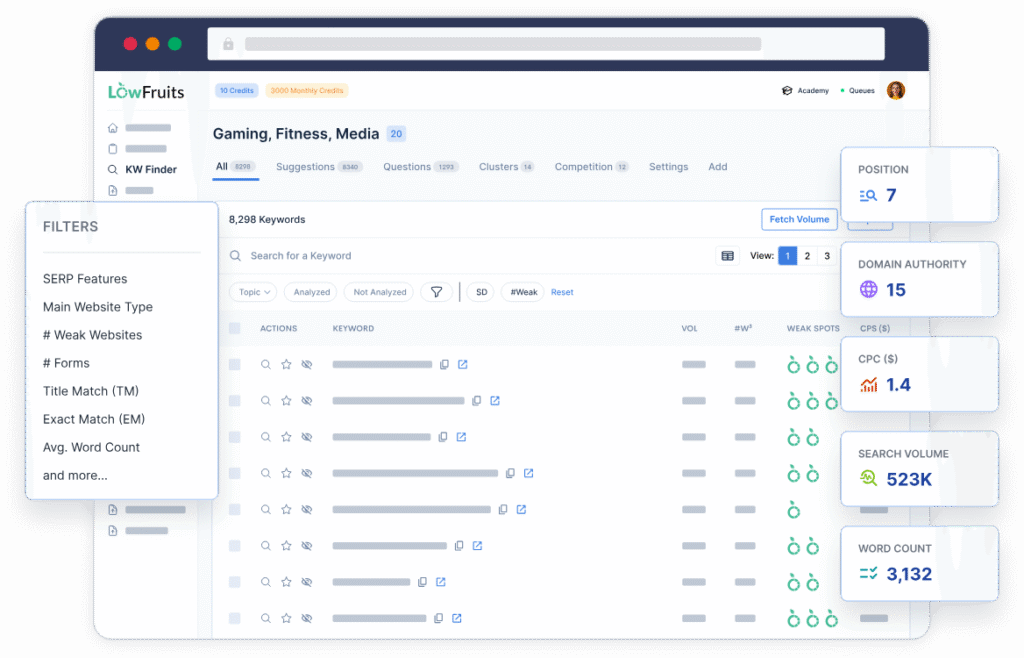
This dual-channel strategy almost always wins for me as it helps me understand why certain competitor content ranks and what content depth Google prefers for specific topics.
Scenario 4: You Have Limited Budget but Plenty of Time
Winner: SEO
If I’m advising a small business, a solo creator, or an early-stage startup with a limited budget, I always recommend SEO as the primary channel.
However, even on a limited budget, I would highly recommend using an SEO tool to help you streamline your processes. Often, using these tools saves time, automates manual processes, and produces faster, higher-quality content, increasing their utility in the long run.
I recommend using All In One SEO with WordPress and pairing it with SEOBoost.
The use of these 2 tools combined would help you reduce the cost of SEO significantly by:
- Guiding internal linking
- Automating topic research
- Suggesting keyword variants
- Improving content quality in real time
- Showing gaps competitors are missing
I also understand that even if you’re running paid ads, they can become expensive over time. As competition grows, CPC increases, and profitability drops.
So, if your goal is also to reduce your Customer Acquisition Cost, you can do that over time by investing strategically in SEO content.
Scenario 5: You’re Running a Seasonal Campaign
Winner: SEM
If you’re running seasonal campaigns like Black Friday, I’d recommend SEM. That’s because seasonal intent spikes fast and disappears just as quickly. No matter how strong your SEO is, you shouldn’t rely on organic ranking alone for seasonal events.
You can also leverage email marketing for these as they help you promote limited-time discounts and control budget, timing and audiences.
This isn’t to say that your SEO strategy should take a backseat to this. Instead, you should be using both to capture as many leads as you can.
Ranking early helps capture pre-sale traffic organically, while SEM captures the immediate rush.
Scenario 6: You Want Maximum Search Visibility Across All Stages of the Funnel
Winner: SEO + SEM (Together)
The most successful companies dominate both paid and organic results. They appear:
- At the top of ads
- In organic rankings
- In “People Also Ask”
- In featured snippets
- In comparison articles
- In review roundups
Users see the brand everywhere, which increases trust and conversions.
This is the strategy I always recommend for high-value, high-intent keywords. Using SEM and SEO creates the perception that your brand is the strongest and most established option.
Final Word: SEM vs. SEO
If I had to summarize everything I’ve discussed so far in my experience, it would be that while SEO is a long-term approach and SEM is a short-term or seasonal accelerator, I would always recommend combining both for your growth strategy.
And using SEO tools like SEOBoost can really help you simplify some of the processes in both.
This unified workflow makes choosing between SEO and SEM much simpler.
FAQs
How is SEM different from SEO?
SEM focuses on paid strategies, such as Google Ads, to achieve immediate visibility, while SEO focuses on organic methods, including content creation, optimization, and technical improvements. SEM delivers fast results, but stops when you pause your ads. SEO takes longer to build but becomes more cost-effective and sustainable over time.
What are the 3 C’s of SEO?
The 3 C’s of SEO are:
- Content: High-quality, relevant, and comprehensive content that satisfies search intent.
- Code: Technical SEO, like site structure, metadata, schema, Core Web Vitals, crawling, and indexing.
- Credibility: Backlinks, authority, EEAT signals, and trust indicators that show Google you’re reliable.
Are Google Ads SEO or SEM?
Google Ads fall under SEM (Search Engine Marketing). They are part of paid search and help your website appear at the top of search results instantly. SEO, on the other hand, focuses on earning organic rankings without paying for clicks.